the origin of everything
2026.08.20
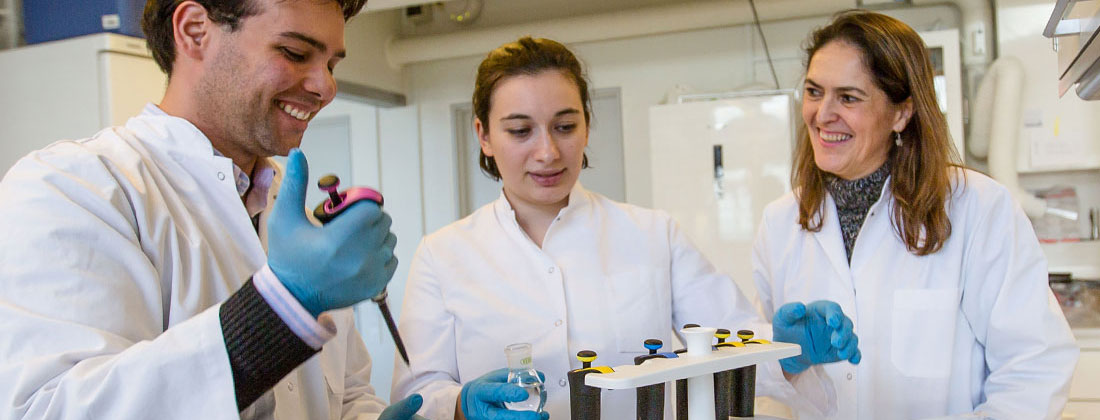
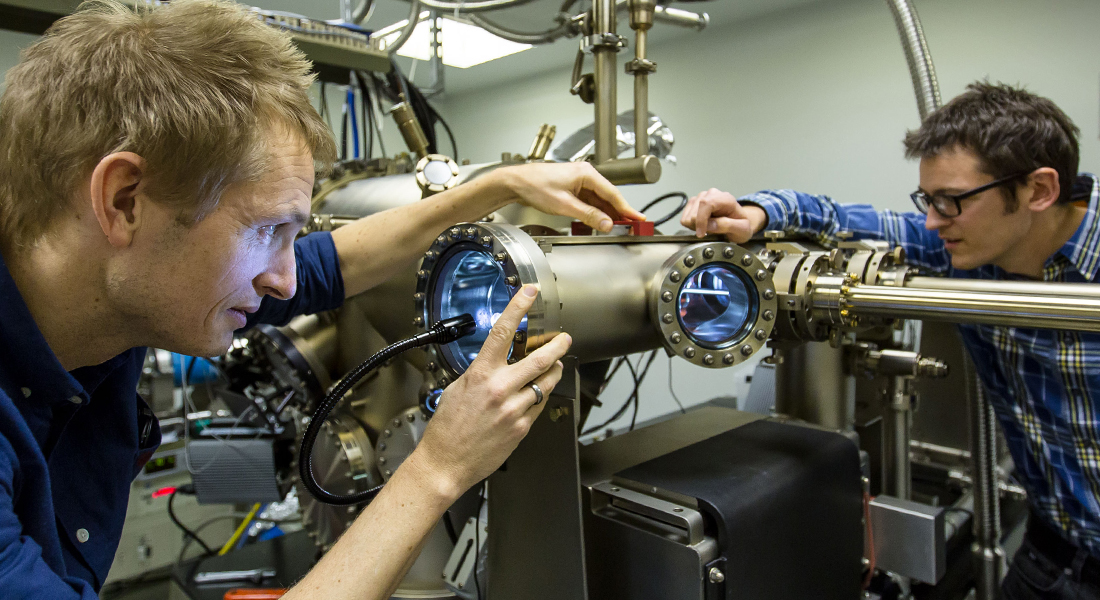
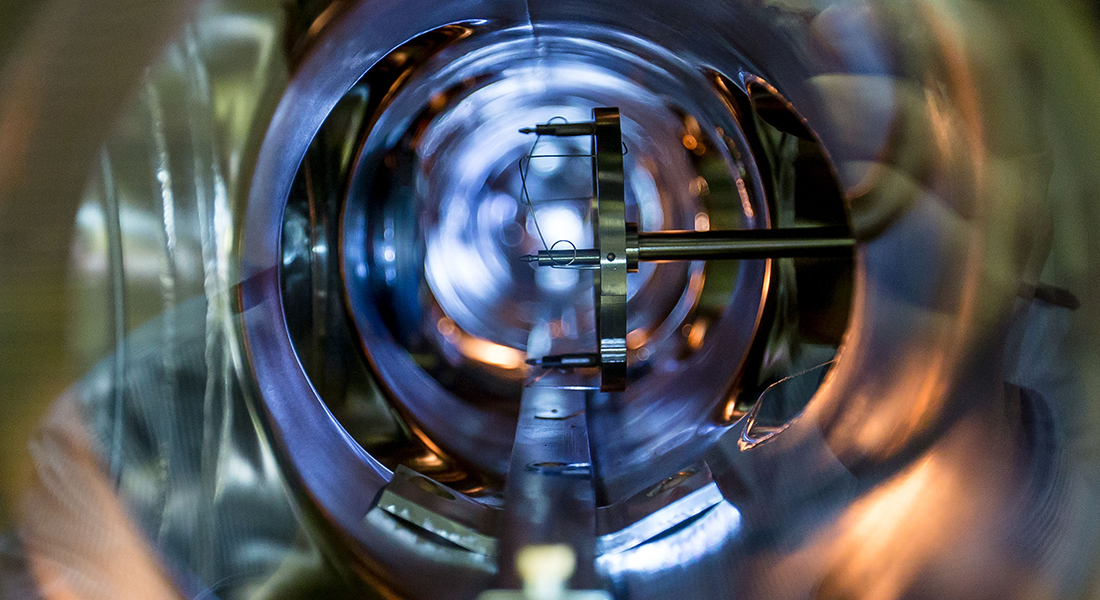
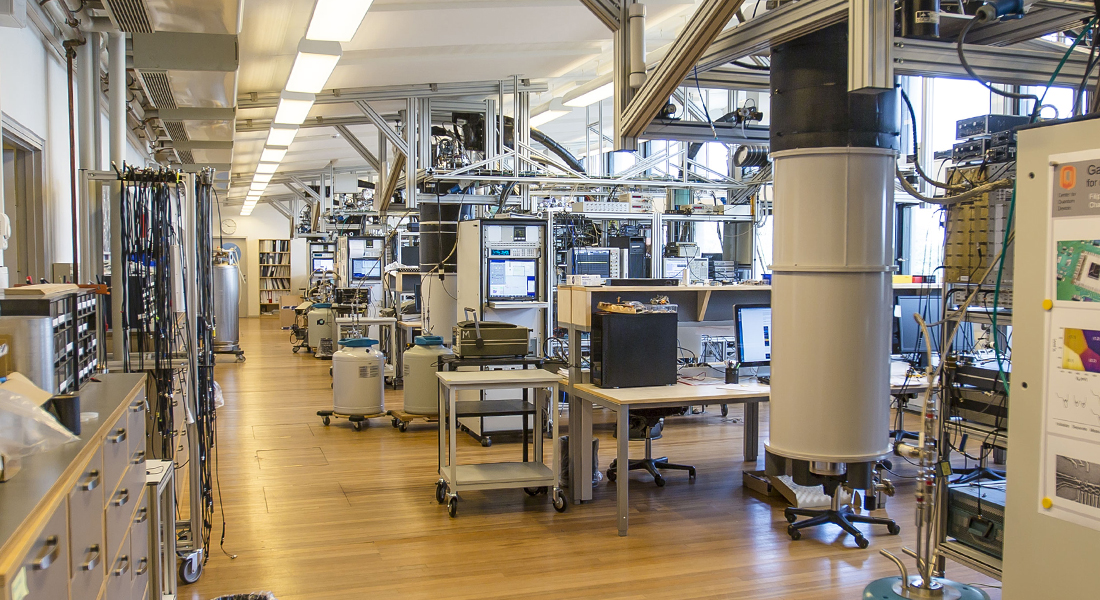
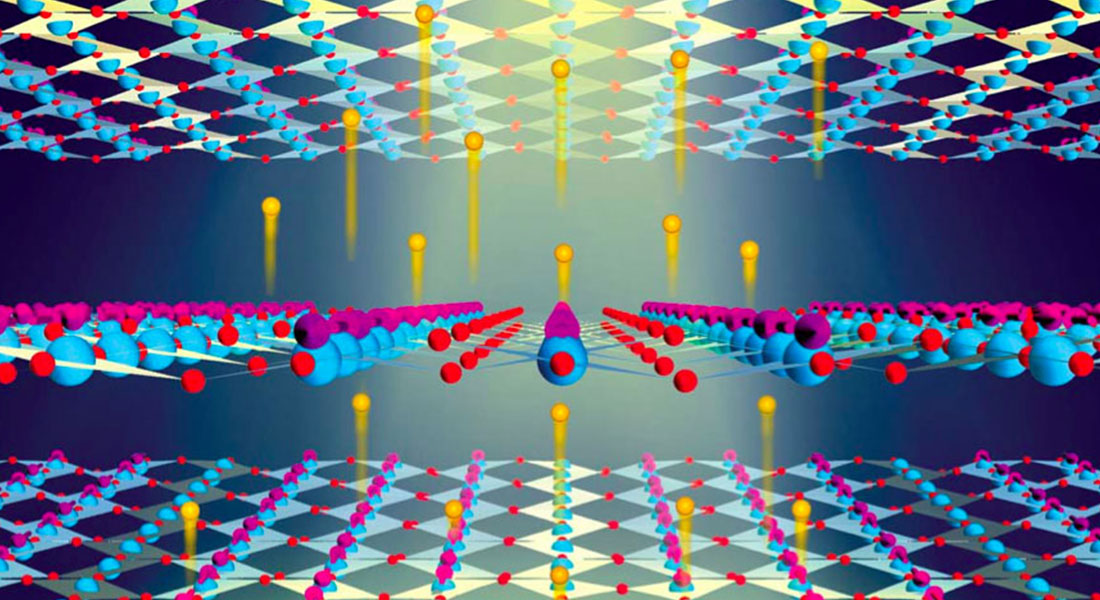
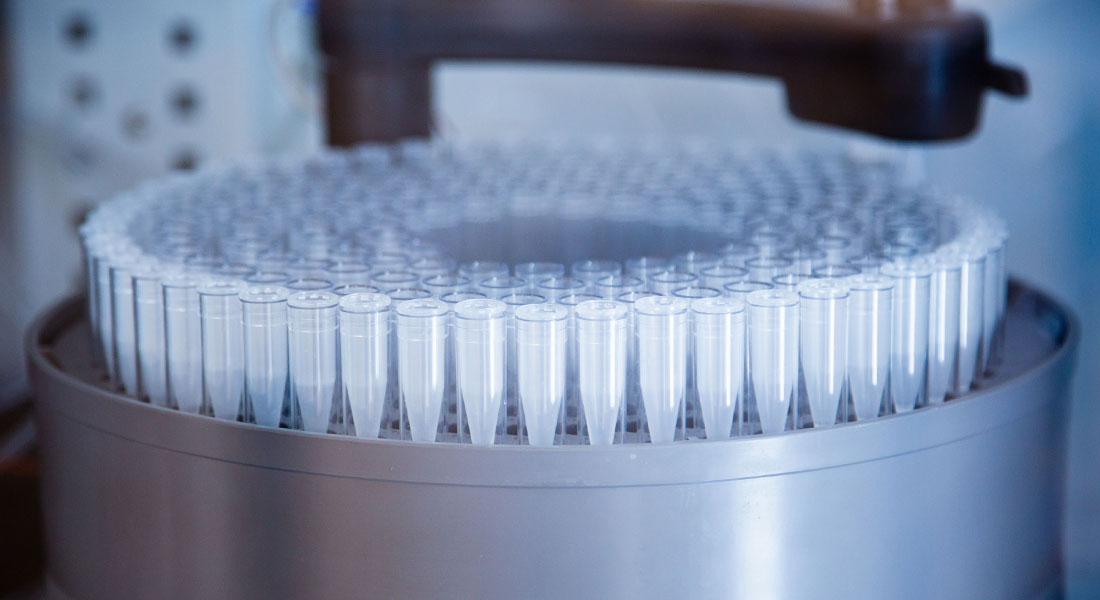
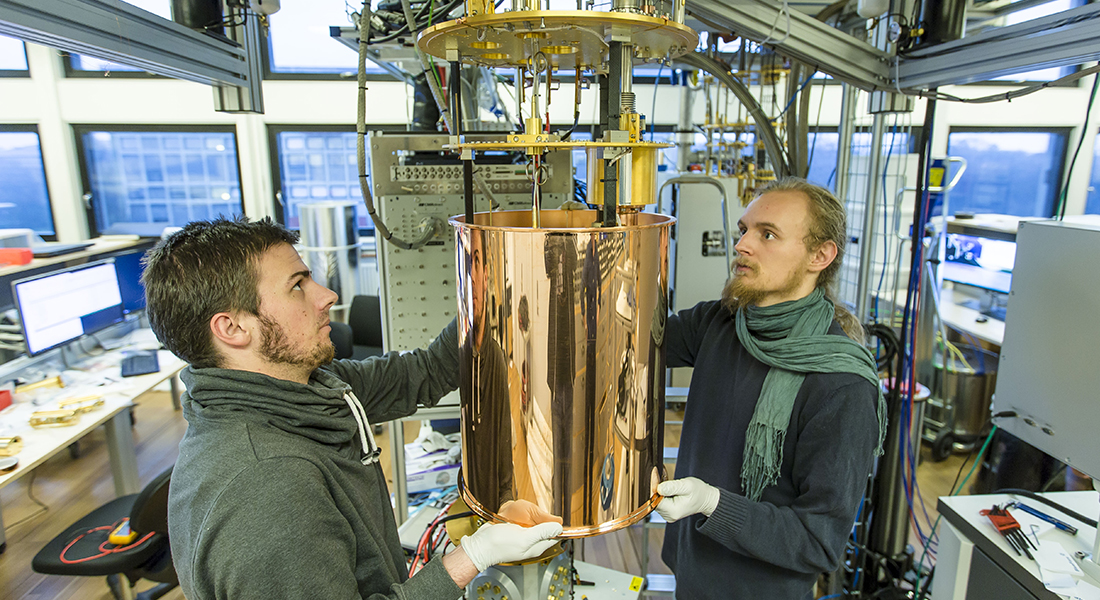
Condensed matter physics is concerned with the understanding of the physical properties of solids and liquids, both naturally occurring and artificially produced.
The understanding of the macroscopic properties, for example, magnetism and electrical resistance, is based on a statistical description of an astronomically large number of atoms. Given the periodic table and the well-understood quantum mechanical description of the individual atoms, the number of combinations is infinite, which leaves plenty of room for discovering new fascinating phenomena.
Condensed matter physics is the foundation for many every-day technologies, ranging from hardening of steel to integrated microchips. Modern research in condensed matter physics takes place in both large scale x-ray and neutron scattering facilities, as well as in locally based laboratories, where quantum phenomena are being explored at temperatures near absolute zero. There is a vivid exchange between condensed matter and neighboring research areas, including biophysics, nanoscience, chemistry, optics, and quantum information.
The Niels Bohr institute has many M.Sc. and PhD students. The students are closely attached to the research groups and supervisor, and have many social activities for International and Danish students.
If you are interested in studying Condensed Matter Physics, consider looking at these pages:
The X-ray and Neutron Science is a section with about 40 researchers, working closely to other sections at the Niels Bohr Institute, other institutes at the University of Copenhagen, X-ray and neutron facilities around the world, and a number of other international partners.
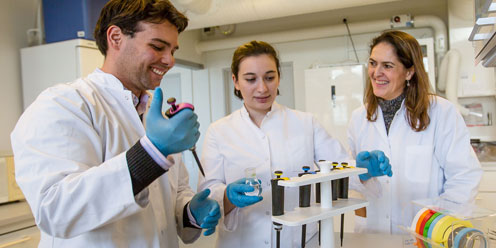
Our research is centered around the use of large-scale experimental facilities using X-rays and neutrons, including the new X-ray source MAX-IV and the coming neutron source ESS, located in Lund (S), but also home-lab facilities. With these sources, we study a wide range of hard, soft, and biological materials.
Our cross-disciplinary activities ranges from structural biophysics - where we study the structure of proteins under biological relevant conditions; biologically bound water in living cells and proteins; soft matter, such as lipid artificial cell membranes and complex polymer structure and dynamics – to the understanding of the complex quantum nature of materials, in particular magnets and superconductors.
More about X-ray and neutron science >>
Research in condensed matter systems addresses fundamental questions about the effective degrees of freedom in a quantum many-body system. These emergent quantum states, which are results of very complicated interacting systems, allow an often surprisingly simple description and understanding.
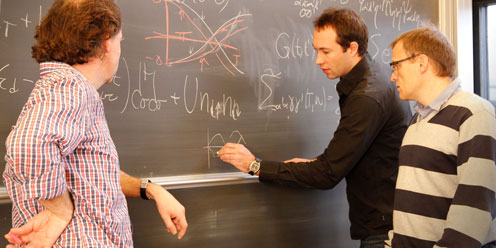
We study quantum behavior of nanostructures and their applications in quantum transport devices, quantum information systems, as well as fundamental questions related to the properties of materials, such as exotic superconductors.
Our theoretical work is most often times driven by experimental findings and by attempts to predict new interesting phenomena. In particular, many of the group activities are done as part of the Center for Quantum Devices and in collaboration with other members of the Nano-ScienceCenter.
More about Condensed Matter Theory >>
This group is affiliated with the Department of Food Science and the Niels Bohr Institute and is led by Associate Professor Jacob Kirkensgaard.
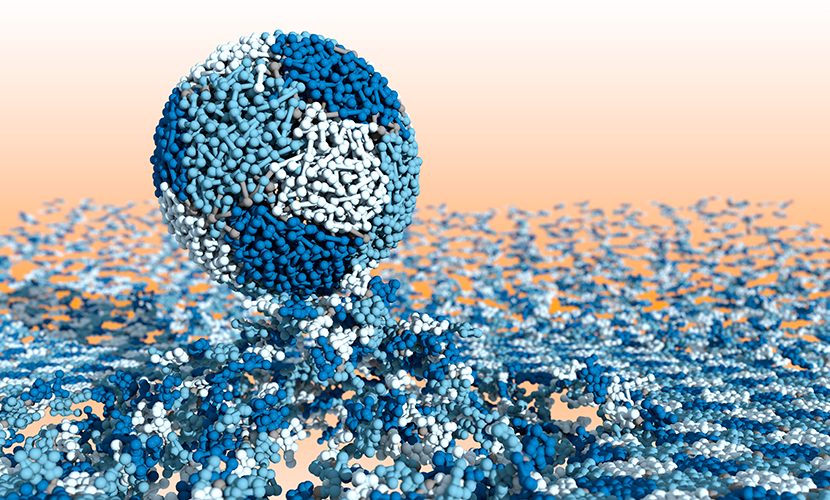
In general the research of the group is centered around mesoscale self-assembly and particularly the formation of geometrically and topologically complex structures in soft matter systems, both synthetic systems like block copolymers and amphiphilic molecules and from various food- and biological systems, for example photosynthetic membranes, milk/fat-based systems, oleogels and biomacromolecules like starch.
Read more about the Structural Food Physics and Soft Matter Self-Assembly group here >>
The Novo Nordisk Foundation Quantum Computing Programme vision is to create a world-leading quantum ecosystem that radically improves the quantum computing landscape and creates societal impact.
It has the potential to bring fundamentally new understanding and solutions to problems in both physical- and life sciences.
More about the Novo Nordisk Foundation Quantum Computing Programme here >>
The researchers at the center builds and studies electronic circuits that exhibit effects of quantum coherence and low dimension.
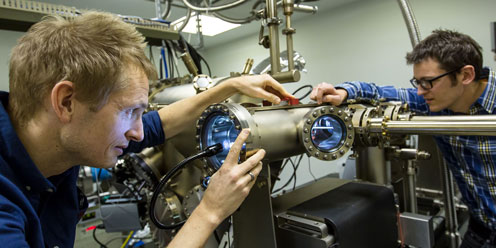
The purpose is to develop quantum electronics of the future by exploring the interaction between advanced materials and the quantum mechanical effects of electronic solid-state nano-components. These may be semiconducting nanowires, carbon nanotubes and superconducting systems.
|
Lena Rørbæk Jacobsen, Program Coordinator |
|
Vibe Drostgaard, Administrative Coordinator |
|
Jens Paaske, Professor (Head of Section) |
|
Kim Lefmann, Professor |
This content is temporarily unavailable because the system it is fetched from cannot be reached. The rest of the site works as usual.
Status is available on the operating status page.